Cortisol Is Winning the War Against Your Diet — Here's How to Fight Back

Cortisol Is Winning the War Against Your Diet — Here's How to Fight Back
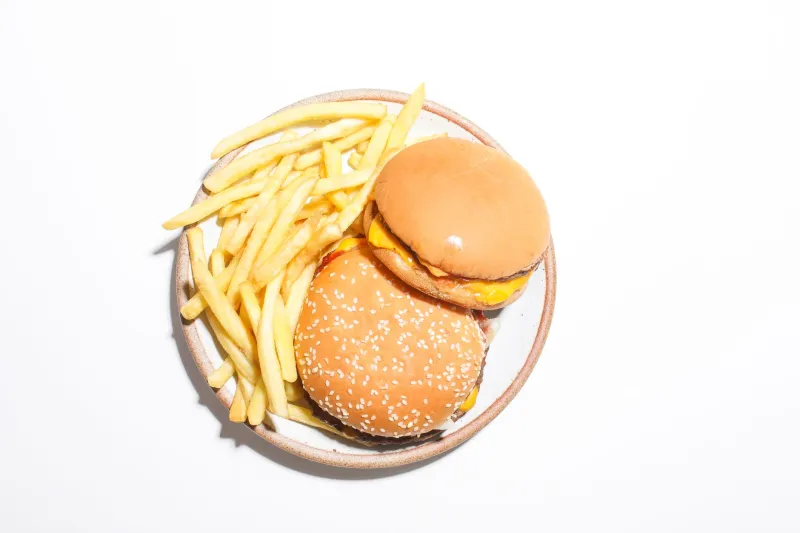
You've done everything right. You meal-prepped on Sunday, you swapped the chips for almonds, and you genuinely intended to eat well this week. Then Wednesday hit — back-to-back meetings, a tense conversation with your boss, a pile of emails that never seems to shrink — and suddenly you're standing in the break room demolishing a bag of peanut butter cups without fully knowing how you got there.
Sound familiar? That's not a willpower failure. That's cortisol doing exactly what it was designed to do.
What Cortisol Actually Does to Your Body
Cortisol is your body's primary stress hormone, and in the short term, it's genuinely useful. When you're in a high-pressure situation, cortisol floods your system to sharpen focus, mobilize energy, and keep you alert. Back when that stress was a predator chasing you across a field, the system worked beautifully.
The problem? Your nervous system can't tell the difference between a charging bear and a passive-aggressive Slack message. Both trigger the same hormonal cascade. And when stress becomes chronic — which, for most Americans, it absolutely has — cortisol stops being a helpful tool and starts becoming a metabolic wrecking ball.
Elevated cortisol over time does a few things that directly undermine your nutrition goals:
- It spikes blood sugar. Cortisol signals the liver to dump glucose into the bloodstream for quick energy. If you're not actually running from anything, that sugar has nowhere to go — and eventually gets stored as fat, particularly around the midsection.
- It cranks up appetite. Specifically, cortisol boosts the production of ghrelin (your hunger hormone) while blunting leptin (the hormone that tells you you're full). You end up hungrier, less satisfied, and less able to read your own satiety cues.
- It makes your brain crave specific foods. This is the part most people don't realize. High cortisol doesn't just make you hungry — it steers you toward calorie-dense, high-fat, high-sugar options. That's a survival mechanism. Your brain is trying to stockpile energy for a threat that, nutritionally speaking, never arrives.
Why Willpower Isn't the Answer
Here's the uncomfortable truth: telling yourself to "just eat better" when you're chronically stressed is like trying to bail out a flooding boat with a paper cup. The biochemical pressure is real, and it's strong. Cortisol actually reduces activity in the prefrontal cortex — the part of your brain responsible for rational decision-making and long-term planning — while ramping up the reward-seeking limbic system. You're literally less capable of making thoughtful food choices when you're stressed out.
This is why discipline alone can't crack the stress-eating loop. You need to address the underlying hormonal environment, and that means working with your body's chemistry, not against it.
Nutritional Strategies That Actually Blunt Cortisol's Impact
1. Stabilize Your Blood Sugar First
Cortisol and blood sugar are deeply intertwined. When blood sugar crashes — which happens when you skip meals, eat too many refined carbs, or go too long without protein — your body reads that as a stress signal and releases more cortisol. It's a vicious loop.
Breaking it starts with eating in a way that keeps glucose levels stable throughout the day. That means:
- Prioritizing protein at every meal. Protein slows digestion, blunts blood sugar spikes, and keeps you fuller longer. Aim for at least 25–30 grams per meal.
- Pairing carbs with fat or fiber. Never eat refined carbs alone. A piece of fruit with almond butter, or whole grain toast with eggs, slows the glucose response considerably.
- Not skipping breakfast. Cortisol naturally peaks in the morning (it's part of what wakes you up). Eating a balanced meal within an hour of waking helps bring that morning spike down faster.
2. Lean Into Cortisol-Lowering Foods
Certain foods have measurable effects on cortisol and the broader stress response. These aren't miracle cures, but consistently including them in your diet creates a real nutritional buffer:
- Dark leafy greens (spinach, kale, Swiss chard): Rich in magnesium, a mineral that plays a direct role in regulating the HPA axis — the system that controls cortisol release. Most Americans are deficient in magnesium, which may partly explain why stress hits so hard.
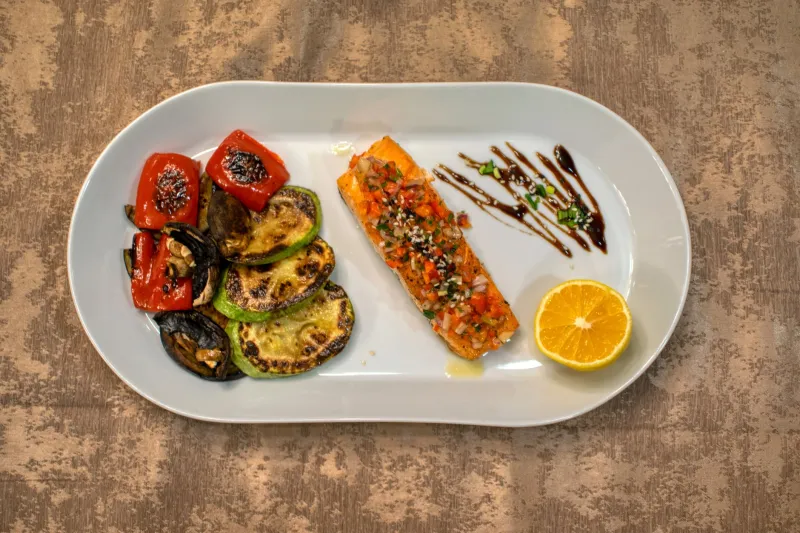
- Fatty fish (salmon, sardines, mackerel): Omega-3 fatty acids have been shown in multiple studies to reduce cortisol output during acute stress and lower systemic inflammation.
- Fermented foods (yogurt, kimchi, kefir): The gut-brain axis is a real thing. A diverse, healthy gut microbiome is associated with better emotional regulation and lower perceived stress. Fermented foods feed that ecosystem.
- Dark chocolate (70%+ cacao): Yes, really. Compounds in dark chocolate — including flavonoids and small amounts of theobromine — have been shown to reduce cortisol levels in chronically stressed individuals. The key is portion control: a square or two, not a full bar.
- Blueberries and other polyphenol-rich fruits: These support antioxidant defenses that get depleted during chronic stress, and early research suggests they may help modulate cortisol pathways.
3. Time Your Meals Strategically
Meal timing matters more when you're stressed. Eating too infrequently keeps your body in a low-level cortisol state between meals. Eating too close to bedtime can disrupt sleep — and poor sleep is one of the fastest ways to send cortisol through the roof the next day.
A practical framework: eat three balanced meals with one optional snack, spaced roughly 4–5 hours apart. Finish eating at least 2–3 hours before bed. This gives your digestive system time to settle and supports the natural cortisol dip that should happen in the evening.
4. Consider Targeted Supplementation
Food comes first, but certain supplements can provide meaningful support for the stress response when used correctly:
- Ashwagandha: One of the most well-researched adaptogens available. Multiple clinical trials have shown it can significantly reduce cortisol levels and perceived stress scores. Look for a standardized extract (KSM-66 or Sensoril are the most studied forms).
- Magnesium glycinate: Highly bioavailable and gentle on the stomach. Particularly useful if you're not getting enough from food — which, statistically, you probably aren't.
- L-theanine: An amino acid found naturally in green tea that promotes calm focus without sedation. Often paired with caffeine to take the edge off stimulant-related cortisol spikes.
- Phosphatidylserine: A lesser-known but research-backed compound that has been shown to blunt the cortisol response to physical and psychological stress, especially when taken before high-stress events.
As always, quality matters. Look for supplements with third-party testing and transparent labeling — the kind of standards we hold ourselves to at Instone Nutrition.
The Bigger Picture
Stress-eating isn't a character flaw. It's a physiological response to a hormone that's running the show more than most people realize. The good news is that once you understand the mechanism, you can start building a nutritional environment that makes cortisol less powerful — not by white-knuckling your way through cravings, but by giving your body the raw materials it needs to regulate itself.
Start with one change. Stabilize your blood sugar this week. Add magnesium-rich foods. Consider an adaptogen. Small, consistent shifts in your nutritional foundation add up faster than you'd think — and they work with your biology instead of fighting it.
Your goals haven't changed. You just needed a better strategy.