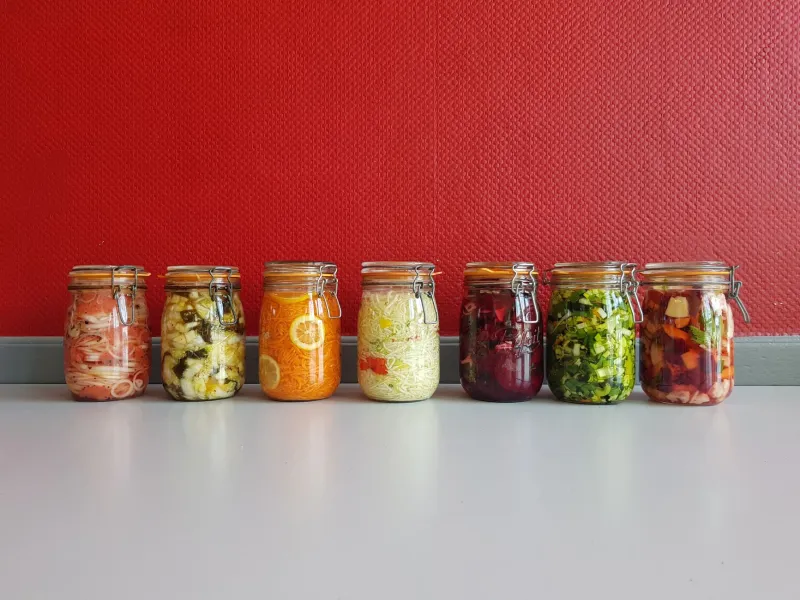
Tired for No Reason? Your Favorite Comfort Foods Might Be the Culprit
You slept seven hours. You didn't skip breakfast. You're not technically doing anything wrong — so why does it feel like you're dragging yourself through every afternoon like you're wading through wet concrete?
Here's something most people never consider: the problem might not be your schedule. It might be your body's internal fire alarm going off 24/7 — and the food you eat every day could be the one pulling the trigger.
We're talking about chronic low-grade inflammation. And it's one of the most overlooked reasons why so many Americans feel perpetually drained, foggy, and slow to recover — even when they think they're eating reasonably well.
What Is Chronic Low-Grade Inflammation, Exactly?
Inflammation isn't inherently bad. Acute inflammation — the kind that swells your ankle after a sprain — is your immune system doing exactly what it's supposed to do. It shows up, handles the problem, and leaves.
Chronic low-grade inflammation is the opposite. It's quiet, persistent, and doesn't come with obvious symptoms like redness or swelling. Instead, it shows up as fatigue that sleep doesn't fix, brain fog that coffee only partially cuts through, slower workout recovery, and a general sense that your body is just... off.
Research published in journals like Nature Medicine and Cell has linked this type of systemic inflammation to everything from metabolic dysfunction to mood disruption. And one of its biggest drivers? Diet.
 Photo: Nature Medicine, via wallpapers.com
Specifically, the Western diet — which, let's be honest, describes what most of us actually eat on a Tuesday night.
The Usual Suspects in Your Kitchen
You don't have to be eating fast food three times a day to have a pro-inflammatory diet. Some of the biggest culprits are hiding in foods that feel totally normal — even healthy.
Refined seed oils. Soybean oil, corn oil, canola oil, and sunflower oil dominate the American food supply. They're in nearly every packaged snack, frozen meal, and restaurant fryer. The problem? These oils are extremely high in omega-6 fatty acids. Your body needs some omega-6s, but the modern American diet delivers them at a ratio of roughly 15:1 or even 20:1 compared to omega-3s. That imbalance actively promotes inflammatory pathways in the body.
Refined carbohydrates and added sugars. White bread, crackers, cereals marketed as "heart healthy," flavored yogurts, pasta sauces — these spike blood glucose rapidly, which triggers a cascade of inflammatory cytokines. A 2020 study in the American Journal of Clinical Nutrition found that high glycemic diets are independently associated with elevated C-reactive protein, a key inflammation marker.
 Photo: American Journal of Clinical Nutrition, via pbs.twimg.com
Ultra-processed "healthy" frozen meals. This one stings a little. Many frozen meals that market themselves as lean or clean are still packed with sodium, modified starches, and seed oils. The convenience is real — but so is the inflammatory load.
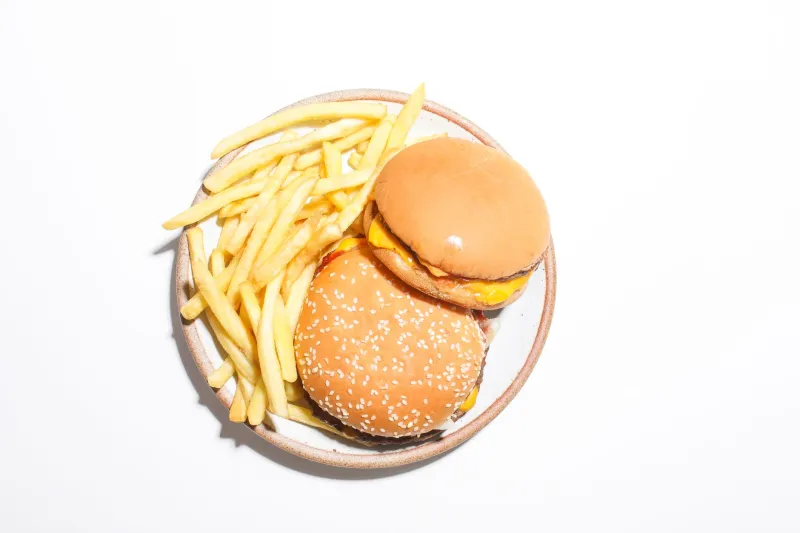
Fast food staples. A standard fast food combo — burger, fries, soda — delivers a trifecta of refined carbs, omega-6 oils, and added sugar. Occasional indulgence is fine. The problem is when these meals become the default.
Why This Makes You Feel So Tired
Here's the connection that doesn't get talked about enough: inflammation is metabolically expensive.
When your immune system is in a low-level state of alert, it consumes energy and resources. It diverts nutrients away from cellular repair, mitochondrial function, and neurotransmitter production. Your mitochondria — the parts of your cells that literally generate your energy — are particularly vulnerable to oxidative stress caused by inflammatory compounds.
The result? You feel tired. Your thinking slows down. Your muscles don't bounce back after workouts. And no matter how much sleep you get, you wake up feeling like you didn't quite recharge.
This is why people who clean up their diet often report that their energy improves before anything else changes — before they lose weight, before their fitness improves, before any other measurable marker shifts. Reducing inflammation gives your cells room to breathe.
The Anti-Inflammatory Swap Guide You Can Actually Use
You don't need to overhaul everything overnight. Small, consistent swaps add up faster than you'd think.
Instead of seed oils → use extra virgin olive oil or avocado oil. Both are rich in monounsaturated fats and antioxidants. Olive oil in particular has been extensively studied for its anti-inflammatory properties, largely thanks to a compound called oleocanthal.
Instead of white bread or crackers → try sourdough or whole grain options with short ingredient lists. The fermentation in sourdough slows glucose absorption and supports gut health, which is directly tied to inflammation regulation.
Instead of flavored yogurt → go plain Greek yogurt with fresh berries. You cut added sugar dramatically while adding probiotics and antioxidants in the same bowl.
Instead of frozen meals with mystery oils → batch cook on weekends. Even simple meals like roasted vegetables, brown rice, and grilled salmon take less than 45 minutes to prep for the week.
Instead of soda or sweetened drinks → sparkling water with citrus, or unsweetened green tea. Green tea contains EGCG, a polyphenol that has been shown in multiple studies to reduce inflammatory markers.
Add these consistently: Fatty fish (salmon, sardines, mackerel) two to three times per week. Leafy greens daily. Turmeric with black pepper — the piperine in black pepper increases curcumin absorption by up to 2,000%. Walnuts. Blueberries. Dark chocolate with 70%+ cacao.
The Bigger Picture
You might be doing a lot of things right. Maybe you're hitting the gym, drinking water, skipping the obvious junk. But if pro-inflammatory ingredients are still making regular appearances in your meals — even disguised as "convenient" or "healthy" options — they can quietly undercut all of that effort.
Think of your diet as a dial, not a switch. You don't need to be perfect. You need to move the dial consistently toward foods that support your body's natural ability to regulate itself, recover efficiently, and generate real, sustained energy.
Because feeling tired all the time isn't just a life stage. For a lot of people, it's a nutrition problem with a nutrition solution.