Your Dinner Plate Is Either Wrecking Your Sleep or Fixing It — Here's What's Actually Happening
Your Dinner Plate Is Either Wrecking Your Sleep or Fixing It — Here's What's Actually Happening
Most of us have a pretty familiar routine: drag ourselves through the day on too little sleep, reach for something sugary or carb-heavy to stay functional, crash into bed exhausted — and then somehow still can't sleep well. Repeat forever.
What we don't often realize is that this isn't just a bad habit loop. It's a biological one. Sleep and nutrition are deeply intertwined systems, and when one goes sideways, it actively pulls the other down with it. The good news? That relationship works in both directions. Fix the nutrition piece in the right way, and your sleep starts to improve. Better sleep means better hormonal balance and smarter food choices the next day. The whole cycle can flip.
Let's break down exactly how this works — and what you can actually do about it tonight.
Why Bad Sleep Makes You Eat Like a Teenager at a Gas Station
Here's something that might hit a little close to home: when you're running on five or six hours of sleep, your brain doesn't just feel foggy — it literally starts making worse decisions about food.
Research has consistently shown that sleep deprivation disrupts two key hunger hormones: ghrelin (the one that makes you feel hungry) and leptin (the one that tells you you're full). After a poor night of sleep, ghrelin levels spike and leptin drops. That combination makes you hungrier than usual and less able to recognize when you've had enough.
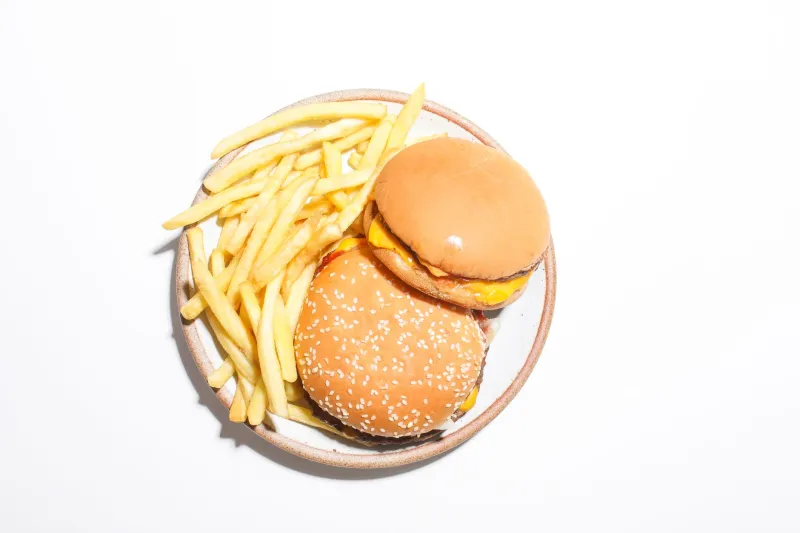
But it doesn't stop there. Sleep-deprived brains also show increased activity in the reward centers when exposed to high-calorie, high-fat, and high-sugar foods. In other words, that bag of chips or late-night fast food run isn't just convenient — your brain is literally more drawn to it when you're tired. It's not a willpower problem. It's a hormonal one.
And those food choices? They often come back to haunt your sleep the following night.
How What You Eat Disrupts Your Sleep Architecture
Sleep isn't just one long stretch of unconsciousness. It moves through cycles — light sleep, deep sleep, and REM — and each stage serves a different recovery function. What you eat in the hours before bed can genuinely alter how much time you spend in those deeper, restorative stages.
Blood sugar spikes are one of the biggest culprits. When you eat a high-glycemic meal close to bedtime — think white rice, sugary desserts, or processed snack foods — your blood sugar rises quickly and then crashes. That crash can trigger a stress response in the body, releasing cortisol or adrenaline at exactly the wrong time. The result? You wake up at 2 or 3 a.m. for no obvious reason, or you sleep through the night but still feel wrecked in the morning.
Alcohol is another one that tricks people. Yes, it helps you fall asleep faster — but it fragments your sleep cycles and suppresses REM sleep, which is where a lot of emotional processing and memory consolidation happens. You're technically unconscious, but you're not recovering.
High-fat, heavy meals eaten late can delay gastric emptying, meaning your digestive system is still working overtime when your body is trying to wind down. That can elevate core body temperature and increase discomfort — two things that don't mix well with deep sleep.
The Nutrients That Actually Support Sleep Quality
Now for the part that actually empowers you: there are specific nutrients that play a direct role in your body's ability to wind down, fall asleep, and stay in those deeper sleep stages.
Magnesium is probably the most talked-about, and for good reason. It helps regulate the nervous system, supports the production of GABA (a calming neurotransmitter), and plays a role in melatonin synthesis. A large portion of Americans don't get enough magnesium from food alone. Good dietary sources include leafy greens, pumpkin seeds, almonds, and dark chocolate. A magnesium glycinate supplement in the evening is something many people find genuinely helpful.
Tryptophan is an amino acid that serves as a precursor to serotonin, which then converts to melatonin — your sleep hormone. Your body can't make tryptophan on its own, so it has to come from food. Turkey gets all the credit (thanks, Thanksgiving), but eggs, cheese, chicken, oats, and pumpkin seeds are also solid sources. Pairing tryptophan-rich foods with a small amount of complex carbohydrates helps shuttle it into the brain more effectively.
Calcium works alongside magnesium and helps the brain use tryptophan to produce melatonin. Dairy, fortified plant milks, and leafy greens like kale are good options.
B vitamins, especially B6, are involved in the conversion of tryptophan to serotonin. Without adequate B6, that whole pathway gets sluggish. Chickpeas, salmon, and bananas are all decent sources.
Building an Evening Nutrition Framework That Actually Works
You don't need to overhaul your entire diet to start sleeping better. A few targeted changes in the evening can make a real difference.
Eat your last substantial meal 2–3 hours before bed. This gives your digestive system time to do its job before you lie down. If you're genuinely hungry closer to bedtime, opt for a small, sleep-supportive snack rather than skipping food entirely — a blood sugar crash in the middle of the night is just as disruptive as going to bed overly full.
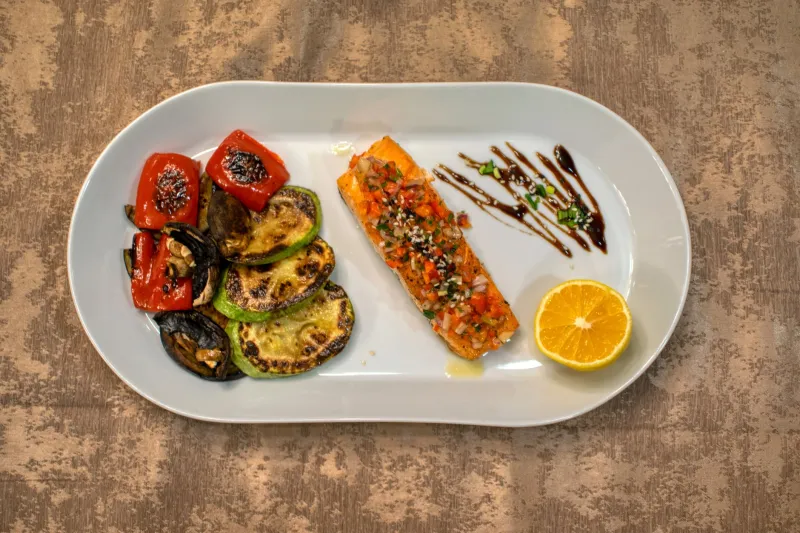
Choose a low-glycemic dinner. Lean proteins, non-starchy vegetables, healthy fats, and small amounts of complex carbs are your friends. Think grilled salmon with roasted vegetables and a small portion of quinoa — not a giant bowl of pasta with a glass of wine.
If you want a bedtime snack, make it purposeful. A small handful of almonds, a few slices of turkey, or a banana with a little almond butter hits that tryptophan-plus-carb sweet spot without spiking your blood sugar.
Watch the caffeine window. Caffeine has a half-life of about five to six hours. That 3 p.m. coffee is still partially active at 9 p.m. If you're sensitive to caffeine, cutting off by early afternoon makes a noticeable difference.
Limit alcohol, especially within three hours of bed. You already know this one. But knowing why — the REM disruption, the fragmented cycles — might make it easier to actually act on.
The Bigger Picture: You Can't Out-Supplement a Broken Cycle
There's a temptation to reach for a melatonin gummy or a sleep supplement and call it a night (pun intended). And while certain supplements can support sleep quality, they're not going to fix a diet that's actively working against your body's natural rhythms.
The sleep-nutrition loop is real, and it's running in the background whether you're paying attention to it or not. The difference between people who sleep well and people who don't often isn't stress levels or screen time — it's what happened at the dinner table.
Think of your evening eating habits as part of your sleep hygiene routine. Because that's exactly what they are. When you start treating your dinner plate as a sleep tool, everything else — your energy, your cravings, your mood, your focus — starts to shift with it.
That's the loop working in your favor. And it starts tonight.