Stop Getting Played by the Snack Aisle: What Those Buzzwords Actually Mean for Your Body
The $50 Billion Wellness Costume Party
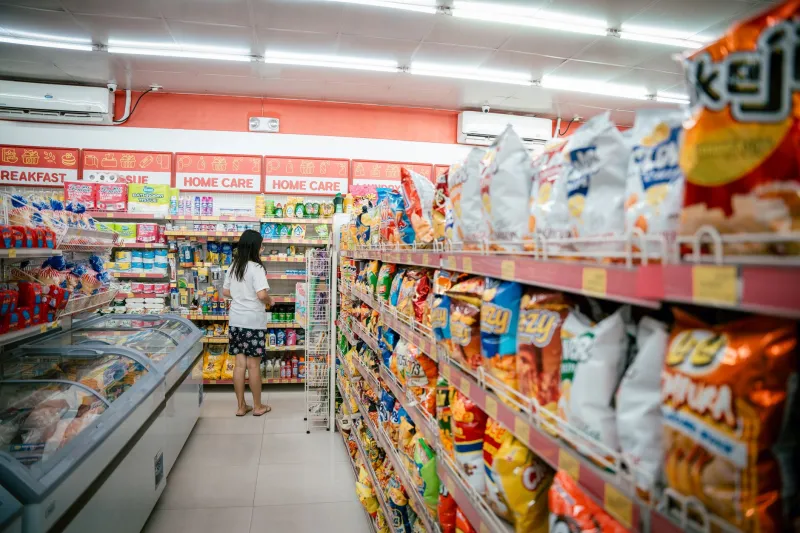
Walk down the snack aisle at any Target, Whole Foods, or Walmart and you'll notice something interesting: almost everything looks healthy now. Bags are earthy green. Fonts are clean and minimal. Words like ancient grains, clean ingredients, and no artificial anything are plastered across packaging like badges of honor.
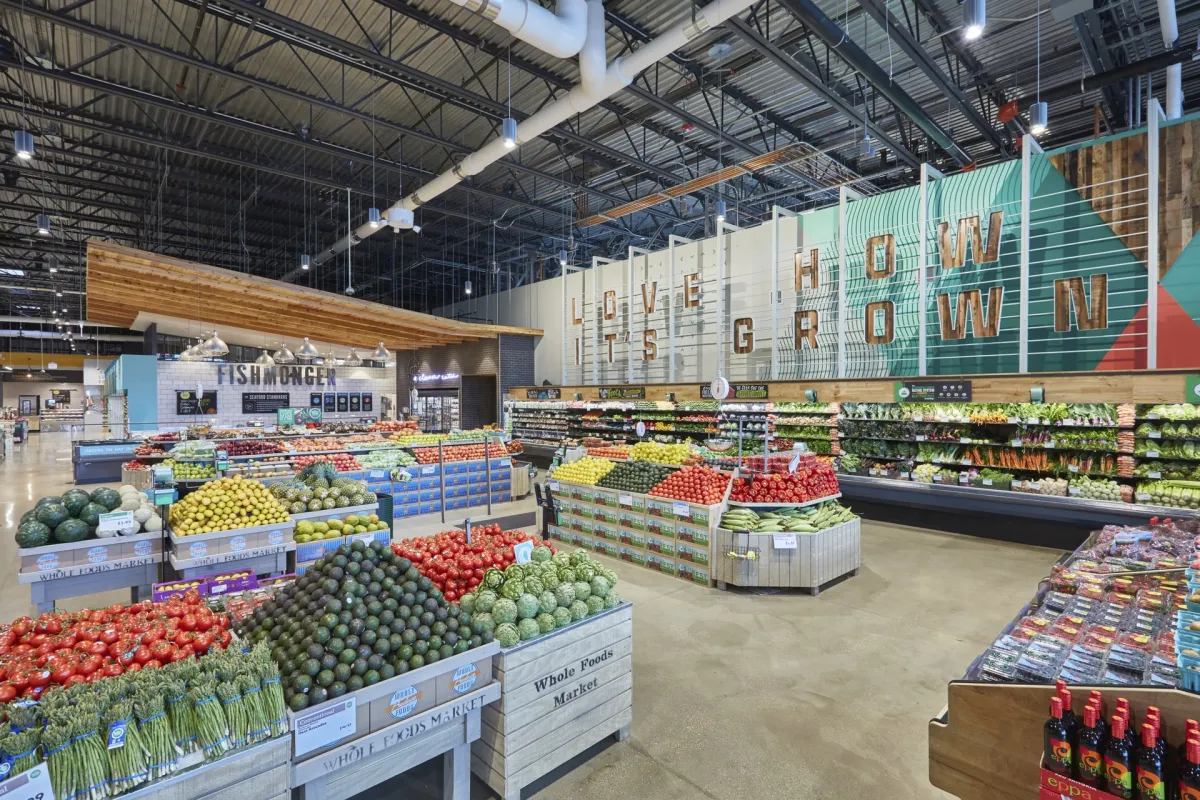 Photo: Whole Foods, via www.brrarch.com
The US snack food market is worth somewhere north of $50 billion, and a massive chunk of that growth has been fueled not by actual nutritional improvement — but by a rebranding effort so thorough it would make a PR agency blush. Big food companies figured out that health-conscious Americans will pay a premium for the idea of wellness, even when the product inside the bag is nutritionally similar to what it replaced.
That's not cynicism. That's just the market doing what markets do. But it means you need a sharper eye than ever before.
What 'Natural' Actually Means (Spoiler: Not Much)
Let's start with the granddaddy of misleading snack claims: natural.
The FDA does not have a formal regulatory definition for the word "natural" on food labels. That's not a loophole — it's a canyon. Food manufacturers know this, and they use it freely. A chip can be labeled "all natural" while still containing refined corn oil, maltodextrin, and enough sodium to make your cardiologist nervous. The word signals nothing specific about how a product was grown, processed, or what it does to your body.
Same goes for plant-based, which has become one of the most aggressively misused terms in the modern snack space. Technically, a Oreo is plant-based. So is a bag of Sour Patch Kids. Being derived from plants doesn't tell you anything about fiber content, glycemic load, or whether the product has been through so many processing steps that the original plant is essentially unrecognizable.
'High-Protein' Snacks: A Closer Look at the Numbers
Protein is having a cultural moment, and the snack industry is fully cashing in. Walk past any convenience store cooler or checkout display and you'll see protein-forward branding everywhere — protein bars, protein chips, protein cookies, even protein-enhanced popcorn.
Here's the thing: the FDA only requires a product to contain 10 grams of protein per serving to use the term "high protein" on its label. That sounds reasonable until you realize that same serving might also carry 24 grams of added sugar, a list of emulsifiers you can barely pronounce, and a calorie count that rivals a full meal.
Take a popular "protein" granola bar you'd find at most grocery chains. A quick label scan often reveals: 10–12g protein, yes — but also 19–25g of sugar, refined grains as the first ingredient, and palm oil or soybean oil rounding out the package. Compare that to two tablespoons of natural almond butter on a rice cake, which delivers roughly the same protein with far less sugar, no emulsifiers, and actual dietary fiber.
The numbers matter. The full label matters. The front of the bag is just advertising.
The Ultraprocessed Problem Nobody's Talking About Loudly Enough
Nutrition researchers use a classification system called NOVA to rank foods by how extensively they've been processed. Level 4 — ultraprocessed — includes products made primarily from industrial formulations: refined starches, hydrogenated oils, protein isolates, artificial flavors, and various additives designed to extend shelf life and engineer palatability.
Here's the uncomfortable truth: a significant portion of what's marketed as "healthy snacking" in the US falls squarely into that ultraprocessed category. A trendy veggie straw, for example, typically contains potato starch, spinach powder (not actual spinach), and canola oil — processed to the point where it offers minimal nutritional benefit over a standard potato chip, despite its green color and vegetable-adjacent name.
Ultraprocessed foods have been linked in multiple large-scale studies to increased risk of weight gain, metabolic dysfunction, and even poor mental health outcomes. When your snack is engineered in a lab to be hyper-palatable rather than genuinely nourishing, your body knows — even if the packaging disagrees.
What a Genuinely Fueling Snack Actually Looks Like
Here's the good news: identifying a snack that actually supports your energy, focus, and performance goals doesn't require a nutrition degree. It requires a few simple habits.
Check the ingredient list first, not the front. Ingredients are listed by weight, so whatever appears first is what you're mostly eating. If the first three ingredients are a refined grain, a sweetener, and an oil, no amount of "superfood" marketing on the front changes that reality.
Look for real food in recognizable form. The closer a snack is to something that grew in the ground or came from an animal, the better. A handful of raw almonds, a piece of string cheese, Greek yogurt, hard-boiled eggs, apple slices with nut butter — these aren't glamorous, but they deliver protein, fat, fiber, and micronutrients in combinations your body actually knows how to use.
Mind the sugar-to-protein ratio. As a rough guide, you want snacks where protein grams are competitive with sugar grams. A bar with 5g protein and 18g sugar is essentially dessert, regardless of how many "functional ingredients" it claims to contain.
Don't let health halos cloud your judgment. Kale chips, coconut-based snacks, and grain-free crackers can all be genuinely nutritious — or they can be ultraprocessed products with a wellness aesthetic. The halo doesn't come from the ingredient category; it comes from the actual composition.
Building a Smarter Snack Strategy
At Instone Nutrition, we believe that eating well between meals isn't about deprivation or obsessive label-reading — it's about building a baseline of awareness so that your default choices actually serve your goals.
That might mean prepping a small container of mixed nuts and dried fruit at the start of the week. It might mean keeping a bag of jerky (low-sodium, minimal additives) in your gym bag instead of a protein bar. It might simply mean pausing for ten seconds before grabbing something off a shelf and asking: Is this food, or is this a food product?
The snack industry isn't going to stop using wellness language to sell ultraprocessed products — there's too much money in it. But once you understand the playbook, you stop being the target audience for those tactics. And that's when snacking actually starts working for you instead of against you.