Your Gut Is Running Your Brain — Here's How to Feed Both
Your Gut Is Running Your Brain — Here's How to Feed Both
Most of us grew up thinking the brain was the boss. It calls the shots, runs the show, and everything else in the body just follows orders. But researchers have been quietly rewriting that story — and the gut is turning out to be a much bigger player than anyone expected.
The gut-brain axis is the two-way communication highway connecting your digestive tract to your central nervous system. And what travels along that highway? Hormones, immune signals, nerve impulses, and — critically — neurotransmitters. The same chemicals that regulate how you feel, how clearly you think, and how well you bounce back from a tough day.
If you've ever had a nervous stomach before a big presentation or felt your mood tank after a week of poor eating, you've already experienced this connection firsthand. Now science is catching up to what your body already knew.
The Microbiome: Your Internal Chemistry Lab
Deep in your digestive tract lives a sprawling ecosystem of trillions of microorganisms — bacteria, fungi, and other microbes collectively known as the gut microbiome. This isn't just a passive community hanging out in your intestines. It's an active, metabolically busy environment that produces compounds your brain literally depends on.
About 90% of your body's serotonin — the neurotransmitter most associated with mood stability and emotional well-being — is produced in the gut, not the brain. Your microbiome plays a direct role in that production process. A diverse, well-fed microbiome tends to support healthy serotonin levels. A disrupted one? Research links it to increased rates of anxiety, depression, and cognitive fog.
The gut also produces significant amounts of GABA, a calming neurotransmitter that helps regulate the stress response. When the microbial balance is off, GABA production can dip — and suddenly, everything feels a little more overwhelming than it should.
Stress, Cortisol, and the Gut's Role in Resilience
Here's where it gets really interesting. The gut doesn't just respond to stress — it actually helps shape how your body handles it.
The vagus nerve acts as the main cable in the gut-brain communication line. When your gut microbiome is healthy, it sends calming, regulatory signals up that nerve to the brain. When it's compromised — from poor diet, chronic stress, or antibiotic overuse — those signals can shift toward inflammatory ones instead.
Chronic low-grade gut inflammation has been linked in multiple studies to elevated cortisol levels, heightened anxiety, and reduced cognitive performance. In other words, what's happening in your intestines can directly affect how wired, foggy, or emotionally fragile you feel on any given Tuesday.
Fueling your best self, then, isn't just about hitting your macros. It's about keeping that gut-brain communication line clear and functional.
The Nutrients That Actually Move the Needle
So what does a brain-supporting gut actually need? A few key nutritional players show up consistently in the research.
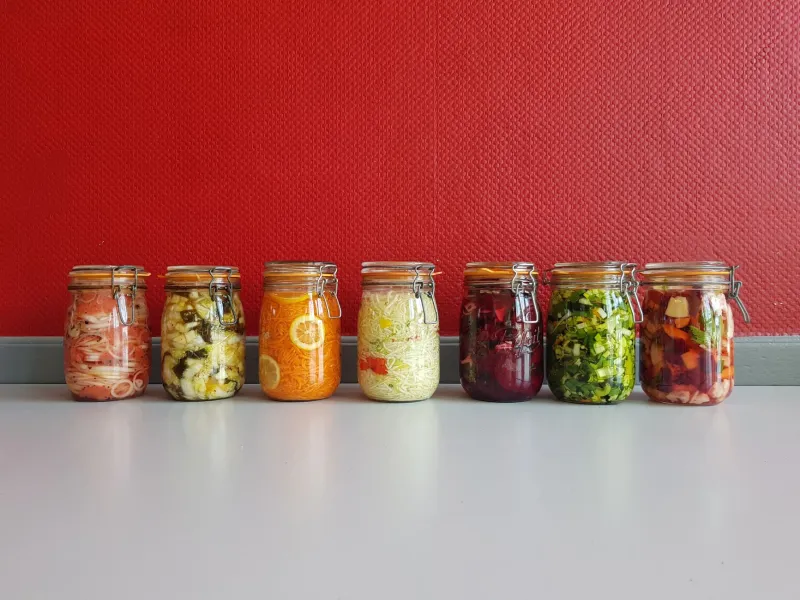
Fermented Foods Kombucha, kimchi, sauerkraut, kefir, plain yogurt — these are live-culture foods that introduce beneficial bacteria directly into your digestive system. A landmark Stanford study published in Cell found that a high-fermented-food diet significantly increased microbiome diversity and reduced inflammatory markers in just ten weeks. More diversity in the gut typically means more resilience in the brain.
Prebiotic Fiber Probiotics get most of the attention, but prebiotics are what keep beneficial bacteria alive and thriving. Foods rich in prebiotic fiber — garlic, onions, leeks, asparagus, bananas, and oats — essentially act as fertilizer for your microbiome. Without adequate prebiotic intake, even the best probiotic supplement has limited staying power.
Omega-3 Fatty Acids Foundin fatty fish like salmon and sardines, as well as walnuts and flaxseed, omega-3s are powerful anti-inflammatory compounds that support both gut lining integrity and brain function. Research consistently connects higher omega-3 intake with lower rates of depression and better cognitive performance under stress. If your diet is light on fatty fish, a high-quality fish oil or algae-based omega-3 supplement is worth considering.
Magnesium This mineral is involved in over 300 biochemical reactions in the body, including the regulation of the stress response and the production of serotonin. Yet the USDA estimates that roughly half of Americans don't get enough of it. Leafy greens, pumpkin seeds, dark chocolate, and legumes are solid dietary sources. Magnesium glycinate is often the preferred supplement form for those addressing stress and sleep quality.
Polyphenols Found in colorful fruits, vegetables, green tea, and dark chocolate, polyphenols act as both antioxidants and microbiome fuel. They've been shown to selectively feed beneficial gut bacteria while suppressing harmful strains — a dual benefit that pays dividends for both gut and brain health.
The Leaky Gut Problem Nobody Talks About
Your gut lining is only one cell thick in places. When it's healthy, it acts as a selective barrier — letting nutrients through while keeping harmful compounds out. But when the microbiome is disrupted and inflammation sets in, that barrier can become permeable. Toxins and undigested particles slip into the bloodstream, triggering a systemic immune response.
This phenomenon — often called intestinal permeability or "leaky gut" — has been associated in emerging research with brain fog, mood disorders, and fatigue. It's not fully mainstream yet in clinical practice, but the mechanistic evidence is compelling enough that it's worth taking seriously, especially if you're eating reasonably well but still feeling off.
Supporting gut lining integrity means reducing processed foods and refined sugars (which disrupt microbial balance), prioritizing fiber and fermented foods, and considering targeted supplements like L-glutamine or zinc carnosine, both of which have shown promise in supporting gut barrier function.
Making It Practical
You don't need a complete dietary overhaul to start seeing a difference. Even modest, consistent shifts can meaningfully change the composition of your microbiome within a matter of weeks.
Start by adding one fermented food to your daily routine — a serving of plain Greek yogurt, a splash of kefir in your morning smoothie, or a side of kimchi with dinner. Add a prebiotic-rich food to at least one meal per day. Swap one processed snack for a handful of walnuts or a piece of dark chocolate. These aren't dramatic gestures — they're small, sustainable moves that compound over time.
And if you're dealing with chronic stress, persistent brain fog, or mood instability despite eating reasonably well, it might be worth looking at targeted supplementation — omega-3s, magnesium, or a quality probiotic — as part of a broader gut-support strategy.
The gut-brain connection isn't a wellness trend. It's biology. And once you understand it, the idea of "eating for your mental health" stops sounding abstract and starts sounding like exactly what it is: one of the smartest investments you can make in yourself.