Protein Powder Secrets the Industry Doesn't Want You to Know

Protein Powder Secrets the Industry Doesn't Want You to Know
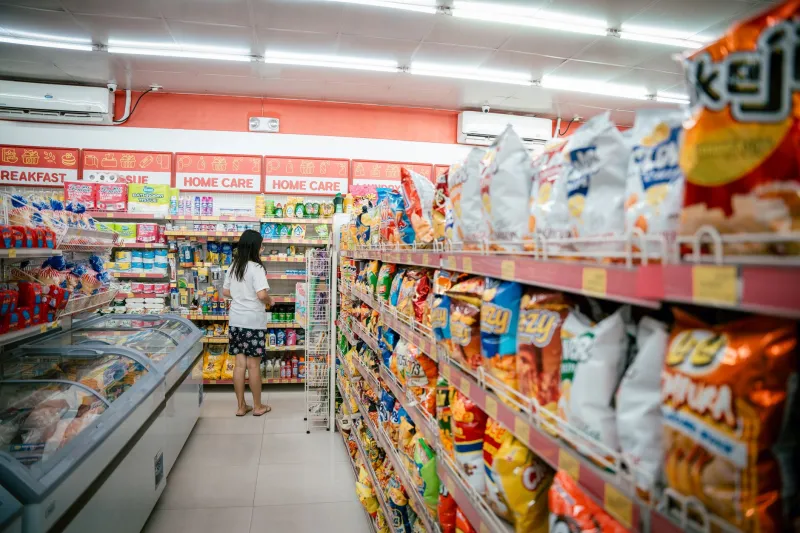
Walk into any GNC, Walmart, or scroll through Amazon for five minutes and you'll be buried in protein powder options. Bold claims jump off every label — "25g of pure muscle-building protein!" or "Ultra-clean, zero fillers!" — and it all sounds pretty convincing. But here's the uncomfortable truth: the supplement industry in the United States is notoriously under-regulated, and a lot of what ends up on those labels is designed to impress, not inform.
Let's break down what's actually going on behind the nutrition facts panel, and what you should be looking for before you hand over your hard-earned cash.
The 'Proprietary Blend' Problem
If you've ever spotted the words "proprietary blend" on a supplement label, you've encountered one of the industry's most convenient loopholes. Brands use this term to group multiple ingredients under one umbrella — listing the total weight of the blend without disclosing how much of each individual ingredient is actually in there.
Why does that matter? Because a product can technically contain a clinically effective ingredient — say, creatine or leucine — but include it in such a tiny amount that it does virtually nothing for your body. You're essentially paying for the idea of an ingredient rather than a meaningful dose of it.
A genuinely transparent brand will list every ingredient with its exact dosage, no hiding required. That's a non-negotiable standard at Instone Nutrition — every label tells you exactly what's inside and exactly how much.
Amino Acid Spiking: The Dirty Trick You've Probably Never Heard Of
Here's a sneaky one. Standard protein testing measures total nitrogen content to calculate protein grams. Some manufacturers have figured out that by adding cheap, individual amino acids — like taurine, glycine, or creatine — to their formula, they can artificially inflate the nitrogen reading and make the product appear to contain more protein than it actually does.
This practice, known as amino acid spiking (or nitrogen spiking), means that a product claiming 30g of protein per serving might only be delivering 20g of actual whole-protein amino acids. The rest? Fillers dressed up in disguise.
The fix? Look for products that have been third-party tested specifically for protein content accuracy. Certifications from organizations like NSF International, Informed Sport, or USP (United States Pharmacopeia) are your best friends here. These groups independently verify that what's on the label actually matches what's in the tub.
 Photo: United States Pharmacopeia, via i.pinimg.com
 Photo: NSF International, via i.pinimg.com
Serving Size Math That Doesn't Add Up
Another classic move: manipulating serving sizes to make the macros look better than they are. A brand might list a serving size as a single scoop (roughly 25g) while competitors use two scoops (50g). If you're comparing protein content without adjusting for serving size, you might think one product is significantly superior when the actual protein-per-gram ratio is nearly identical — or even worse.
Always do the math. Divide the protein grams by the total serving size in grams to get a true protein-per-gram ratio. Anything above 0.70 (70% protein by weight) is generally a solid sign of a quality, low-filler product.
What 'Natural Flavors' Actually Means
You'll see "natural flavors" listed on a huge percentage of protein supplements marketed as clean or minimally processed. The FDA's definition of natural flavors is... broad. Very broad. It includes any flavoring derived from a plant or animal source, regardless of how heavily it's been processed in a lab afterward.
This doesn't mean natural flavors are dangerous, but it does mean the term offers very little transparency. If you're managing allergies, following a specific dietary protocol, or just want to know what you're putting in your body, "natural flavors" tells you almost nothing useful.
Certifications That Actually Matter
Not all seals of approval are created equal. Here's a quick rundown of the certifications worth trusting:
- NSF Certified for Sport — Rigorous testing for banned substances and label accuracy. Essential for competitive athletes.
- Informed Sport / Informed Choice — UK-based but widely respected in the US; tests every batch for contamination.
- USP Verified — Confirms ingredient identity, potency, and purity.
- Non-GMO Project Verified — Relevant if you're avoiding genetically modified ingredients.
- USDA Organic — Meaningful for whole-food-based protein sources like pea or hemp protein.
A flashy logo that doesn't correspond to one of these recognized bodies? Treat it with skepticism.
Your Practical Label-Reading Checklist
Before you buy your next protein supplement, run through this quick checklist:
✅ No proprietary blends — Every ingredient should be individually dosed.
✅ Protein-per-gram ratio above 0.70 — Do the math on serving size vs. protein content.
✅ Third-party certification present — Look for NSF, Informed Sport, or USP.
✅ Minimal ingredient list — The fewer unrecognizable additives, the better.
✅ Clear allergen labeling — Especially important for dairy (whey/casein), soy, and gluten sensitivities.
✅ Manufacturer contact info — Legitimate brands make it easy to reach them with questions.
✅ Batch testing disclosure — The best brands test every production run, not just occasional samples.
Where Instone Nutrition Stands
At Instone Nutrition, we built our products around the idea that you shouldn't need a chemistry degree to understand what you're consuming. Every formula is fully disclosed — no proprietary blends, no inflated amino counts, no label gymnastics. We pursue third-party testing not because we have to, but because we believe that's the bare minimum standard for any brand that takes your health seriously.
The supplement industry has a transparency problem. The good news? As a consumer, you now have the tools to call it out. Read those labels like the informed buyer you are — and don't settle for anything less than the full story.