Clean Label, Dirty Secret: The Natural Ingredients in Your Supplement That May Be Working Against You
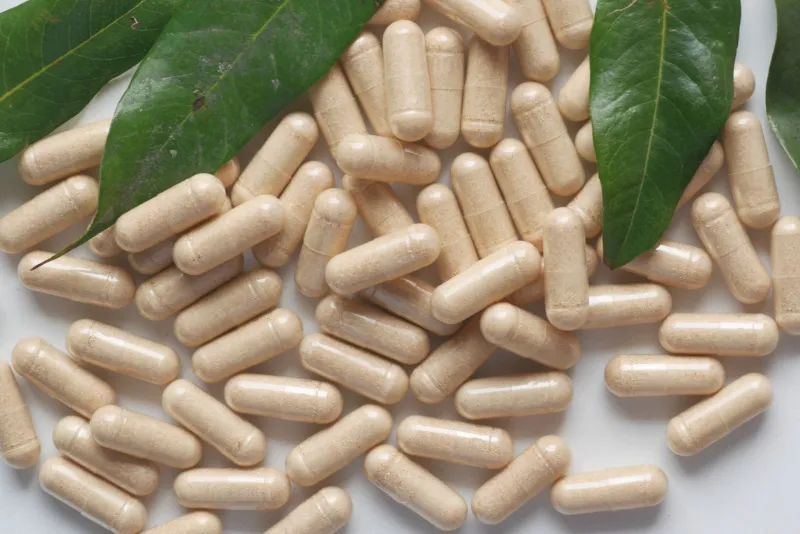
The clean-label movement has done a lot of good. It pushed supplement brands to ditch artificial dyes, questionable preservatives, and synthetic fillers that had no business being in a health product. Consumers got savvier. Labels got shorter. And a whole aesthetic emerged around supplements that feel natural, honest, and trustworthy — kraft paper packaging, earthy tones, ingredient lists you can actually pronounce.
But here's where it gets complicated: "natural" is not the same as "effective," and sometimes the wholesome-sounding ingredients that make a supplement look clean are quietly reducing how much of the active nutrient your body actually absorbs. This isn't a fringe concern — it's a real trade-off baked into the clean-label supplement category, and most consumers have no idea it exists.
Let's dig into the specific culprits and what they mean for your supplement stack.
Phytic Acid: The Antinutrient Hiding in 'Whole Food' Formulas
Whole food-based supplements — the kind that source their vitamins and minerals from concentrated food ingredients rather than synthesized isolates — have surged in popularity. The pitch is compelling: why take a lab-made nutrient when you can get it from real food sources like organic spinach powder, brown rice concentrate, or sprouted seeds?
The problem is that many of these whole food sources naturally contain phytic acid (also called phytate), an antinutrient found abundantly in grains, legumes, seeds, and nuts. Phytic acid binds to minerals — particularly zinc, iron, calcium, and magnesium — in the digestive tract and forms compounds that your body can't absorb. It essentially grabs onto the mineral and escorts it right out of your system before it can be taken up.
This is a well-established issue with plant-based diets in general, but it becomes particularly ironic in a supplement context. You might be paying a premium for a "whole food" iron supplement sourced from organic spinach and brown rice, but the phytic acid in those same ingredients is actively competing with iron absorption. The marketing says "natural source." The biochemistry says "partially blocked."
Look for supplements that either use phytate-reduced ingredients (through fermentation or sprouting, which breaks down phytic acid significantly) or that use chelated mineral forms specifically designed to resist binding.
Tannins in Herbal Additions: The Polyphenol Problem
Herbal ingredients are a staple of clean-label supplements. Green tea extract, turmeric, grape seed, rosehip, and dozens of other botanicals show up in everything from multivitamins to protein powders, adding antioxidant credibility and a sense of holistic wellness to the formula.
Many of these herbs contain tannins — a class of polyphenol compounds that have legitimate health benefits on their own but also bind to proteins and minerals in the gut. Tannins are particularly problematic for iron absorption. Research consistently shows that tannin-containing beverages like tea and coffee consumed with meals can reduce non-heme iron absorption by 50-70%. The same mechanism applies when tannin-rich herbal extracts are present in a supplement formula alongside iron.
If you're supplementing for iron deficiency and your product contains green tea extract, grape seed extract, or similar polyphenol-heavy botanicals in the same formula, you may be getting significantly less iron than the label suggests. This isn't a reason to avoid polyphenols — they're genuinely beneficial — but it is a reason to be thoughtful about combining them with iron in the same supplement or at the same time.
Calcium From Natural Sources: Not All Rocks Are Equal
Calcium is a good case study in how "natural" can be misleading. Calcium carbonate derived from limestone or oyster shells gets positioned as a more natural alternative to synthetic forms, and technically that's accurate. But calcium carbonate requires a highly acidic stomach environment to dissolve and be absorbed — and many people, particularly those over 50 or those taking acid-reducing medications, don't produce enough stomach acid to break it down effectively.
Some clean-label supplements use calcium from algae (marketed as plant-based calcium), which is increasingly popular and genuinely well-absorbed. But others use calcium carbonate dressed up with natural sourcing language that implies superior quality. The form of calcium matters more than where it came from — calcium citrate and calcium malate are better absorbed across a wider range of digestive conditions, regardless of whether they're "natural" or not.
Magnesium Oxide: The Most Common Clean-Label Letdown
Magnesium oxide is one of the most abundant forms of magnesium in supplements, and it's often used in clean-label products because it's derived from natural mineral sources and has a high elemental magnesium content by weight — meaning brands can list an impressive milligram number on the label.
Here's the catch: magnesium oxide has notoriously poor bioavailability. Studies suggest only about 4% of magnesium oxide is actually absorbed, compared to 50-60% for magnesium glycinate or 40%+ for magnesium citrate. A supplement boasting 400mg of magnesium oxide might be delivering the functional equivalent of 16mg of absorbable magnesium. That's not a supplement — that's mostly an expensive laxative.
Magnesium glycinate, threonate, and malate are better-absorbed forms, but they're also pricier and harder to source cleanly. When a clean-label brand uses magnesium oxide to keep costs down while still hitting impressive label numbers, the consumer pays the price in absorption.
Cellulose and Plant-Based Capsules: Mostly Fine, With One Caveat
Vegetarian and vegan capsules made from hydroxypropyl methylcellulose (HPMC) — often marketed as "plant-based" — are generally a solid choice and dissolve adequately in most digestive environments. However, there's evidence that HPMC capsules dissolve more slowly than gelatin capsules, which can matter for time-sensitive nutrient release. For most supplements, this difference is negligible. For certain probiotics or time-release formulas, it may be worth noting.
This isn't a reason to avoid plant-based capsules — they're a legitimate improvement over low-quality alternatives — but it's a reminder that even capsule material is a real variable, not just a packaging choice.
How to Actually Read a Clean-Label Supplement
So what do you do with all of this? A few practical moves:
Check the mineral forms. Look for chelated minerals (bisglycinate, glycinate, citrate, malate) over oxides and carbonates. The extra syllables are worth it.
Be skeptical of "whole food source" iron. If iron is coming from spinach powder or rice concentrate, ask whether the formula addresses phytate content through fermentation or uses a chelated form alongside it.
Watch for polyphenol-iron combos. If your multivitamin contains both iron and green tea or grape seed extract, consider whether you'd be better served by separating them.
Look for third-party testing. NSF Certified for Sport, USP Verified, and Informed Sport certifications tell you a product has been independently tested for label accuracy and contaminants — which matters more than whether the packaging looks earthy.
Ask what the bioavailability data actually shows. Some brands publish absorption studies on their specific formulas. That's the gold standard. Marketing language about "natural" or "whole food" is not a substitute for actual bioavailability evidence.
The Bottom Line
Clean-label supplements represent real progress in the industry, and the push toward transparency is genuinely worth supporting. But "natural" is a marketing descriptor, not a guarantee of absorption or effectiveness. Some of the most wholesome-sounding ingredients in your supplement cabinet may be quietly reducing how much you actually get out of what you're paying for. At Instone Nutrition, we believe informed consumers make better decisions — and understanding what's actually happening inside that capsule is the foundation of a supplement strategy that truly delivers.