Ordering 'Light' at Your Favorite Chain? Your Body Might Disagree
Ordering 'Light' at Your Favorite Chain? Your Body Might Disagree
You scanned the menu, skipped the burger, and landed on something that sounded like a nutritional gold star — a kale salad, a grain bowl, maybe a blended smoothie. You felt good about it. And honestly? That feeling matters. But here's the part nobody puts on the menu board: intention and outcome aren't always the same thing when you're eating out.
Restaurant menus — especially at popular US chains — are engineered to sound healthy while quietly delivering a calorie, sodium, or refined fat load that would make your meal-prep efforts weep. This isn't about scaring you out of your next lunch date. It's about giving you the tools to actually get what you came for: a meal that fuels your goals, not fights them.
The Salad Trap Is Very Real
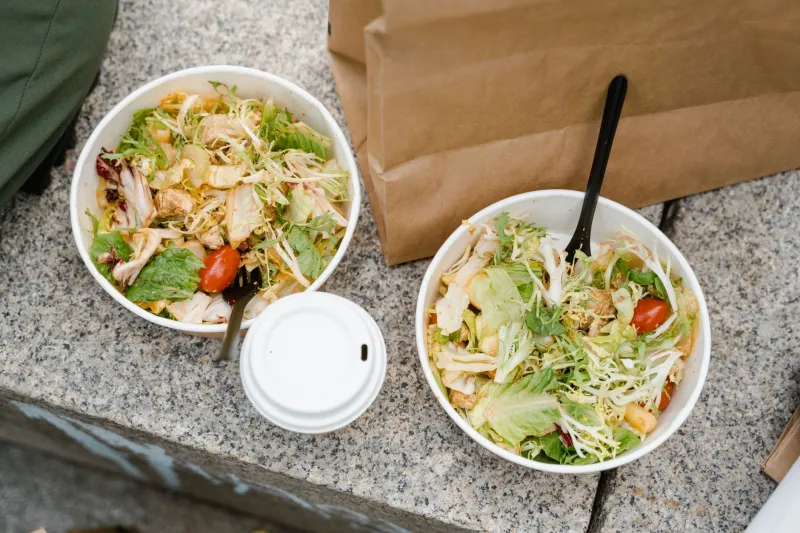
Let's start with the most trusted item on any menu: the salad. At chains like Cheesecake Factory, Panera Bread, or Applebee's, a salad can easily clock in between 700 and 1,400 calories — before you even touch the bread that comes with it.
How? It's rarely the greens doing the damage. The culprits are layered in:
- Dressings: A standard Caesar or ranch ladle at a restaurant isn't the teaspoon you'd use at home. It's often 3–4 tablespoons, adding 200–350 calories and a sodium punch that rivals fast food.
- Candied nuts and dried fruit: These sound wholesome, but they're typically coated in sugar and added in generous portions.
- Fried toppings: Crispy wontons, tortilla strips, croutons — they sneak into 'fresh' salads and add refined carbs and seed oils.
- Cheese and bacon crumbles: Used liberally as flavor anchors, they quietly stack saturated fat and sodium.
Panera's Fuji Apple Chicken Salad, for example, has long been a customer favorite marketed around freshness. But with dressing included, it can hit over 500 calories with nearly 1,000mg of sodium — and that's considered one of the lighter options.
Grain Bowls: The New Wolf in Sheep's Clothing
Grain bowls have had a serious glow-up in the last five years. Chipotle, Sweetgreen, and Cava have built entire identities around them — and they can be genuinely great nutritional choices. The problem is the build.
Start with a base of white rice (common default), add a protein marinated in sodium-heavy sauces, layer on corn, cheese, sour cream, and a 'house vinaigrette' that's more oil than vinegar, and you've got a bowl that can exceed 900 calories with 1,500mg or more of sodium.
At Chipotle, a burrito bowl with chicken, white rice, black beans, cheese, sour cream, and corn salsa lands around 865 calories and 2,060mg of sodium — that's nearly 90% of the American Heart Association's recommended daily sodium limit in one sitting.
None of those ingredients are inherently evil. But portion architecture matters, and chain restaurants are optimized for satisfaction, not macros.
Smoothies and Açaí Bowls: Liquid Sugar Disguised as Wellness
Smoothie chains like Tropical Smoothie Cafe, Jamba Juice, and the booming açaí bowl trend have positioned blended drinks as health food. And again — they can be. But most off-the-menu options are built on a foundation of fruit juice (not whole fruit), flavored syrups, sherbet, or frozen yogurt.
Jamba Juice's Mango-a-go-go smoothie, a perennial bestseller, contains around 62 grams of sugar in a medium size. That's more than a can of Coke. And because it's liquid, it bypasses a lot of the satiety signaling your body would normally get from chewing whole food — meaning you're likely hungry again in 90 minutes.
Açaí bowls aren't much better when loaded with granola, honey drizzle, and banana on top of an already sweet base. A standard bowl at a trendy café can run 600–800 calories with 60–80 grams of sugar.
Why Restaurants Build Menus This Way
It's worth understanding the incentive structure here, not to assign blame, but to stop being surprised. Restaurants — even health-forward ones — are optimizing for taste, repeat visits, and value perception. Fat, salt, and sugar are the three levers that make food memorable and craveable. 'Healthy' menu sections still need to compete with everything else on the menu, so they often get dressed up with the same flavor tools.
Marketing language like 'clean', 'light', 'fresh', and 'wholesome' is largely unregulated on menus. Unlike packaged foods, restaurants aren't required to display full nutrition facts at the point of ordering in most casual dining settings (though chain restaurants with 20+ locations must post calorie counts under FDA rules — a useful but incomplete data point).
Your Practical Framework for Eating Out Without Losing Ground
Here's the good news: you don't have to eat at home forever or interrogate your server like a nutritional detective. A few simple mental frameworks make a huge difference.
1. Ask for dressing on the side — always. This single swap can cut 200–400 calories from a salad without changing the flavor experience. Dip your fork, not the whole bowl.
2. Default to grilled over crispy, and broth-based over cream-based. These two swaps quietly reduce refined oil and calorie load across almost every menu category.
3. Swap the base when you can. At grain bowl spots, ask for a lettuce or spinach base instead of white rice, or do half and half. At smoothie places, ask what the liquid base is — and request unsweetened almond milk or water instead of juice.
4. Use the calorie count as a starting signal, not the whole story. A 600-calorie meal that's 70% refined carbs and seed oils hits your body differently than a 700-calorie meal built on protein, fiber, and healthy fats. Look at what makes up the calories, not just the number.
5. Pre-load with intention. If you know you're heading out to dinner, have a small protein-rich snack beforehand — a handful of almonds, a Greek yogurt, a quality protein shake. It takes the edge off hunger so you order what you actually want, not what desperation picks.
6. Know your non-negotiables. Decide in advance what matters most to you. Is it keeping sodium down? Prioritizing protein? Avoiding refined oils? When you walk in with one or two clear filters, decision fatigue drops and you stop getting pulled by the 'sounds healthy' language on the menu.
The Bottom Line
Eating out is part of American life — it's social, it's convenient, and it genuinely brings joy. The goal here at Instone Nutrition has never been to make food feel like a minefield. It's to make sure the effort you're putting into your health actually translates into results, whether you're at your kitchen table or a booth at your favorite spot.
The 'healthy' menu section isn't the enemy. Hidden sodium, oversized dressing portions, and sugar-forward smoothies are just problems worth knowing about — because once you know, you can navigate around them without skipping a beat. Or a meal.
Fuel smarter. Eat out freely. Those two things aren't mutually exclusive.