You're Eating All the Right Foods — So Why Are You Still Exhausted?
You're doing everything right. Leafy greens at lunch, salmon for dinner, a handful of almonds as a snack. Your grocery cart looks like a wellness influencer's dream. And yet, by 2 PM, you're dragging. By Friday, you feel like you've been running on fumes all week.
Here's the uncomfortable truth: eating nutritious food and actually absorbing nutritious food are two completely different things. And most people never hear about the second part.
The Label Doesn't Tell the Full Story
When a nutrition label says a serving of spinach delivers 6 milligrams of iron, that number reflects what's in the food — not what ends up circulating in your bloodstream. This distinction has a name: bioavailability. It's the percentage of a nutrient your body can actually extract and use, and it varies wildly depending on the food, the form of the nutrient, and what else you ate alongside it.
Take iron as a prime example. Plant-based iron (non-heme iron found in spinach, lentils, and beans) is notoriously difficult to absorb on its own. Your gut might only pull in 2–20% of it, compared to the 15–35% absorption rate of heme iron from animal sources. That's not a small gap — that's a chasm. If you're relying on a big spinach salad to hit your iron needs, you might be falling significantly short without realizing it.
The same story plays out with calcium from kale, zinc from whole grains, and magnesium from seeds. Healthy? Absolutely. Fully absorbed? Not always.
Antinutrients: The Uninvited Guests at Your Healthy Dinner
Some of the most nutritious foods on the planet come packaged with compounds that actively interfere with nutrient absorption. These are called antinutrients, and they include:
- Phytates (found in whole grains, legumes, nuts) — bind to minerals like zinc, iron, and calcium, limiting how much your body absorbs
- Oxalates (found in spinach, almonds, sweet potatoes) — can block calcium absorption and, in high amounts, may contribute to kidney stones
- Tannins (found in tea, coffee, red wine, legumes) — reduce iron absorption when consumed close to meals
- Lectins (found in raw legumes and some grains) — can irritate the gut lining and disrupt nutrient uptake
None of this means you should ditch these foods. It means you need to be smarter about how you eat them.
Nutrient Synergy: Some Nutrients Only Work in Teams
Nutrients aren't solo performers — they're more like a band. Some combinations dramatically boost absorption, while others block it entirely.
The power pairs you want:
- Vitamin C + Iron: Pairing iron-rich foods with a vitamin C source (think bell peppers, citrus, strawberries) can increase non-heme iron absorption by up to 300%
- Fat + Fat-Soluble Vitamins: Vitamins A, D, E, and K require dietary fat to absorb properly. Eating a fat-free salad with no oil dressing? You may be missing out on a big chunk of those fat-soluble nutrients
- Vitamin D + Calcium: Vitamin D is essentially the key that unlocks calcium absorption in the gut
- Magnesium + Vitamin D: Low magnesium can impair how well your body activates and uses vitamin D
The combinations that compete:
- Calcium + Iron: Taken together, these two minerals compete for the same absorption pathways — which is one reason dairy-heavy meals can reduce iron uptake
- Zinc + Copper: High-dose zinc supplementation can deplete copper over time
- Coffee/Tea + Iron: The tannins in your morning cup can cut iron absorption significantly if you drink it right before or after an iron-rich meal
Your Gut Is the Real Gatekeeper
Even if you nail every food pairing, there's one more layer that determines what actually gets absorbed: the state of your gut.
A compromised gut lining — caused by chronic stress, antibiotic use, poor sleep, alcohol, or a highly processed diet — can impair your intestinal cells' ability to transport nutrients into your bloodstream. This is sometimes referred to as increased intestinal permeability, and it's more common in American adults than most people realize.
Beyond the gut lining, your microbiome plays a direct role. Certain gut bacteria help synthesize vitamin K and some B vitamins. They also influence how much of the nutrients you consume actually gets processed. A depleted or imbalanced microbiome doesn't just affect digestion — it affects nutrient delivery at the cellular level.
Practical Fixes to Actually Absorb What You're Eating
So what can you actually do about this? A few evidence-backed strategies:
1. Soak, sprout, and ferment when possible. These preparation methods reduce phytate and lectin content in grains and legumes, making the minerals inside much more available to your body.
2. Add fat to your vegetables. Even a drizzle of olive oil on your roasted vegetables or salad significantly boosts your absorption of fat-soluble vitamins.
3. Time your coffee strategically. Try waiting at least an hour after an iron-rich meal before reaching for that second cup. Your iron levels will thank you.
4. Pair vitamin C with plant-based iron. Squeeze lemon over your lentil soup, add strawberries to your spinach salad, or toss bell peppers into your bean stir-fry.
5. Support your gut first. Probiotic-rich foods like yogurt, kefir, kimchi, and sauerkraut help maintain the microbial environment that makes nutrient absorption possible. If you're dealing with ongoing digestive issues, a quality probiotic supplement may be worth exploring.
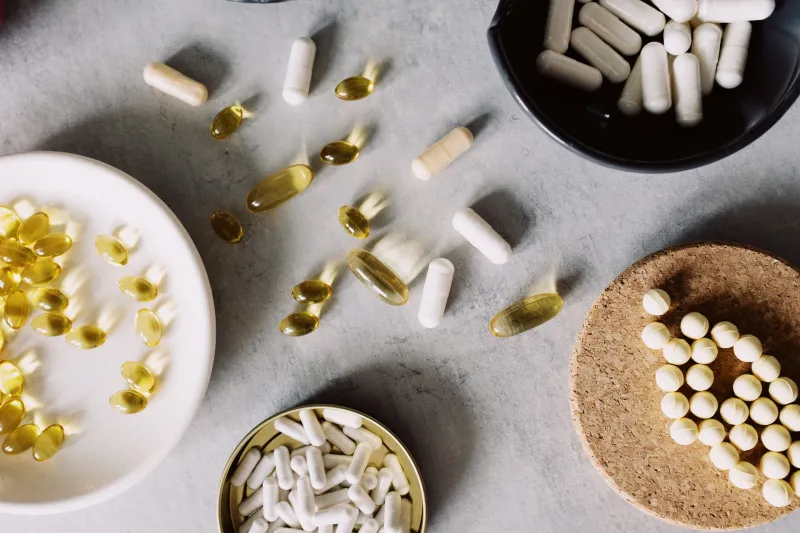
6. Revisit your supplement forms. Not all supplement forms are created equal. Magnesium glycinate absorbs more readily than magnesium oxide. Methylated B vitamins are better utilized by people with certain genetic variants. Iron bisglycinate is gentler and better absorbed than ferrous sulfate. If you're supplementing and still feeling depleted, the form of the nutrient matters.
The Bigger Picture
Eating well is foundational — no question. But thinking of nutrition as a simple input-output equation misses most of the complexity. Your body isn't a calculator. It's a dynamic system influenced by gut health, food combinations, preparation methods, stress hormones, sleep quality, and more.
The goal isn't just to eat nutrient-dense foods. It's to build a nutrition approach that actually delivers those nutrients where they need to go. That's the difference between feeling okay and feeling genuinely energized.
At Instone Nutrition, we're all about closing that gap — between what you eat and what your body actually uses. Because you deserve to feel the results of all that effort you're putting in.